
Overhead Reach Hurts
Putting items on a shelf or serving in sport becomes painful.

Rotator Cuff Injury & Shoulder Rehabilitation in Chennai · Nungambakkam
Rotator cuff problems can cause night pain, weakness, painful overhead reach and difficulty lowering the arm. Some tears are managed without surgery; others need orthopaedic input and structured post-operative rehabilitation.
Reserve Your Appointment With ₹500 Advance
Adjusted Against Your ₹2,000 First-Visit Fee
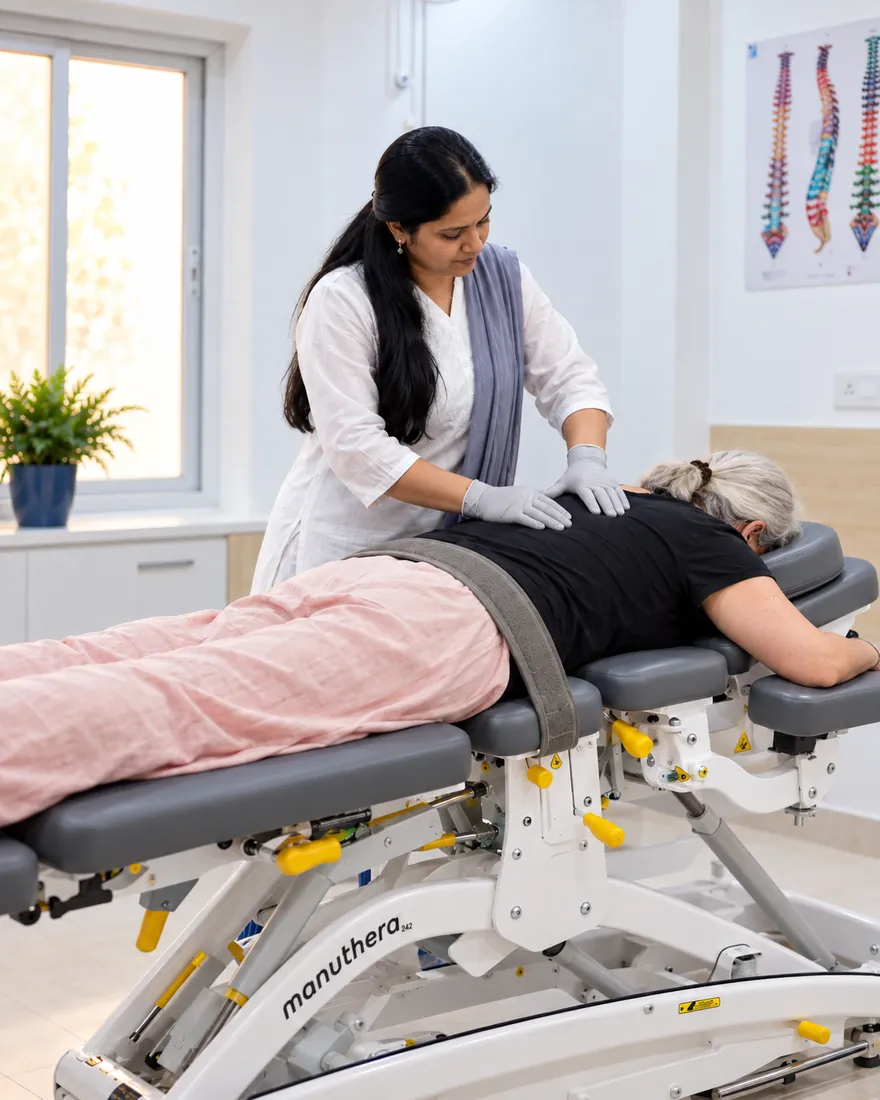
SPORT-FIT PHYSIO CARE approach: We assess range, strength, pain behaviour and functional demands before deciding how manual therapy and rehabilitation should progress.
Does this feel familiar?
When pain starts changing a movement, position, task or activity, that is a useful place to begin. See whether any of these experiences sound familiar.
Putting items on a shelf or serving in sport becomes painful.
Lying on the shoulder may be uncomfortable.
Lifting or lowering may feel difficult.
You want to know what the finding means for function and rehab.
What · Why · How
Start with the pattern you feel. The goal is to understand the problem well enough to choose appropriate care, not to force a diagnosis from one symptom.
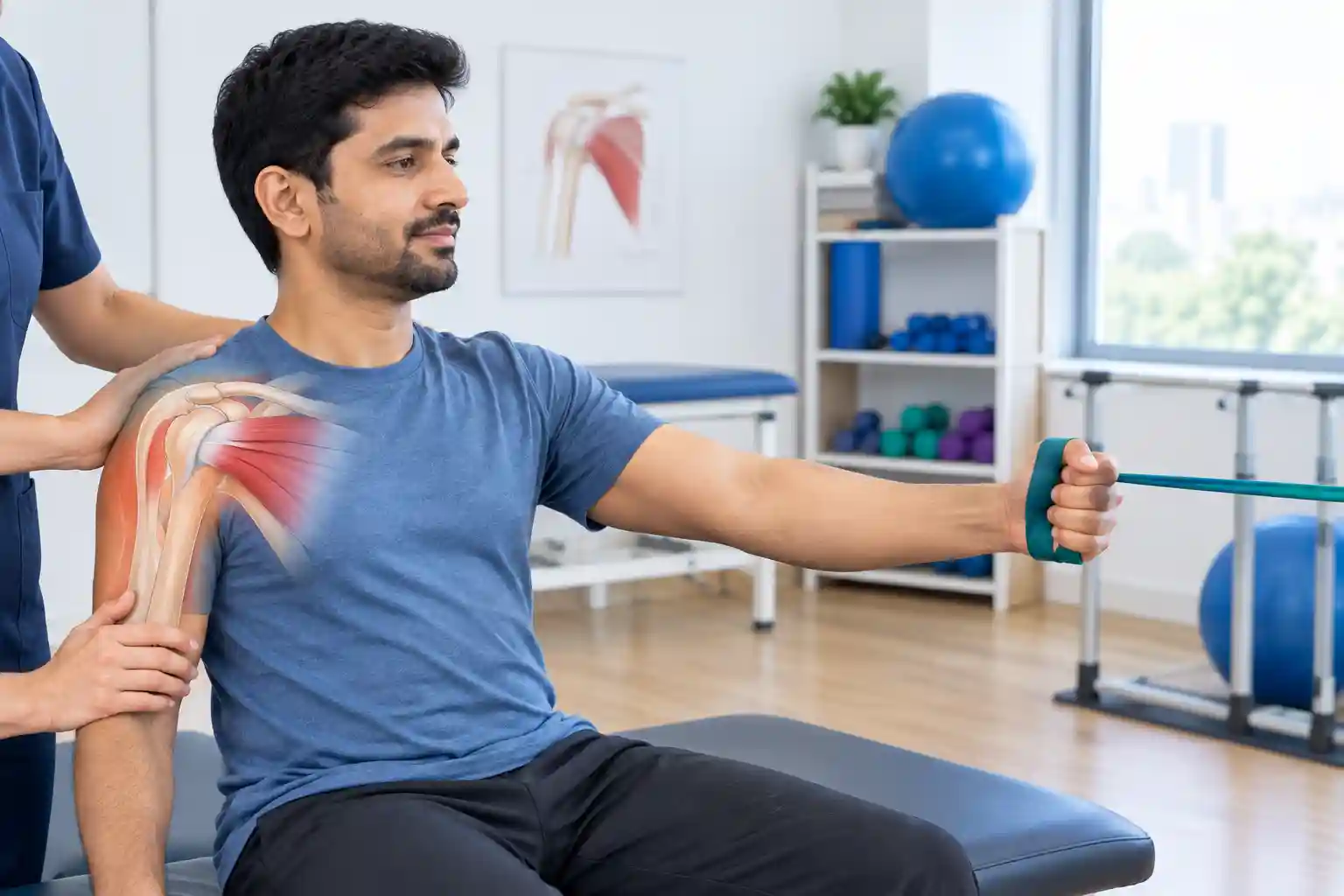
Rotator cuff problems often cause pain or weakness with lifting the arm, reaching overhead, lowering the arm or lying on the affected side.
Tendinopathy, partial tears, post-operative recovery and load-related pain need different progressions. Strength and function matter as much as pain.
SPORT-FIT PHYSIO CARE evaluates shoulder strength, range and load tolerance, then progresses treatment into targeted rehabilitation and return to activity.
3D Condition Pain & Movement Assessment
Exact 3D pain point · your own symptom path · condition questions · movement · safety · personalised report
No automatic diagnosis. Your answers and 3D selections are used to organise the assessment summary and next-step discussion.
Understand the pattern
The page does not diagnose you. It helps explain why the same symptom can behave differently from one person to another, and why assessment should guide the care plan.
Strength and tendon capacity matter.
Age, tear characteristics, symptoms and function influence decisions.
Repair biology changes the pace of loading.
Integrated Manual Therapy™
Integrated Manual Therapy™ is SPORT-FIT PHYSIO CARE’s assessment-led care framework. For this presentation, the focus is on the relevant joint and soft-tissue findings, movement, strength and daily-task tolerance, using hands-on care and rehabilitation only when they fit the assessment.
Active and passive shoulder movement.
Cuff and shoulder-blade muscle capacity.
Which angles provoke symptoms.
Rule in/out neck-related arm pain.
Work, gym or sports needs.
If repaired, follow surgeon protocol and restrictions.
Reduce repeated aggravating overhead load.
Recover useful shoulder range.
Progress rotator cuff and scapular capacity.
Train shoulder mechanics under increasing demand.
Progress lifting and speed where relevant.
Use functional milestones rather than pain alone.
You do not need to choose chiropractic, osteopathy, myofascial release or another method before you arrive. SPORT-FIT PHYSIO CARE selects appropriate techniques after assessment and rechecks the movement or task that mattered to you.
Clinical context
MRI can identify partial or full-thickness tears, but age, symptom severity, strength, activity demands and whether the shoulder has been repaired all influence rehabilitation decisions.
Patient experiences & reviews
See a relevant SPORT-FIT PHYSIO CARE patient story, read public patient feedback and review our 600+ Google review reputation before deciding whether the first visit feels right for you.
“I had a rotator cuff tear and came to Sportfit Physiocare for treatment. With proper assessment, exercises, and guidance, my condition improved steadily. I really appreciate the support and expertise of my physiotherapist Mr. Goutham. The clinic environment is professional and patient-friendly. Highly satisfied.”
See more patient experiences across pain care, manual therapy, mobility and rehabilitation before deciding on your first visit.
Real SPORT-FIT PHYSIO CARE spaces
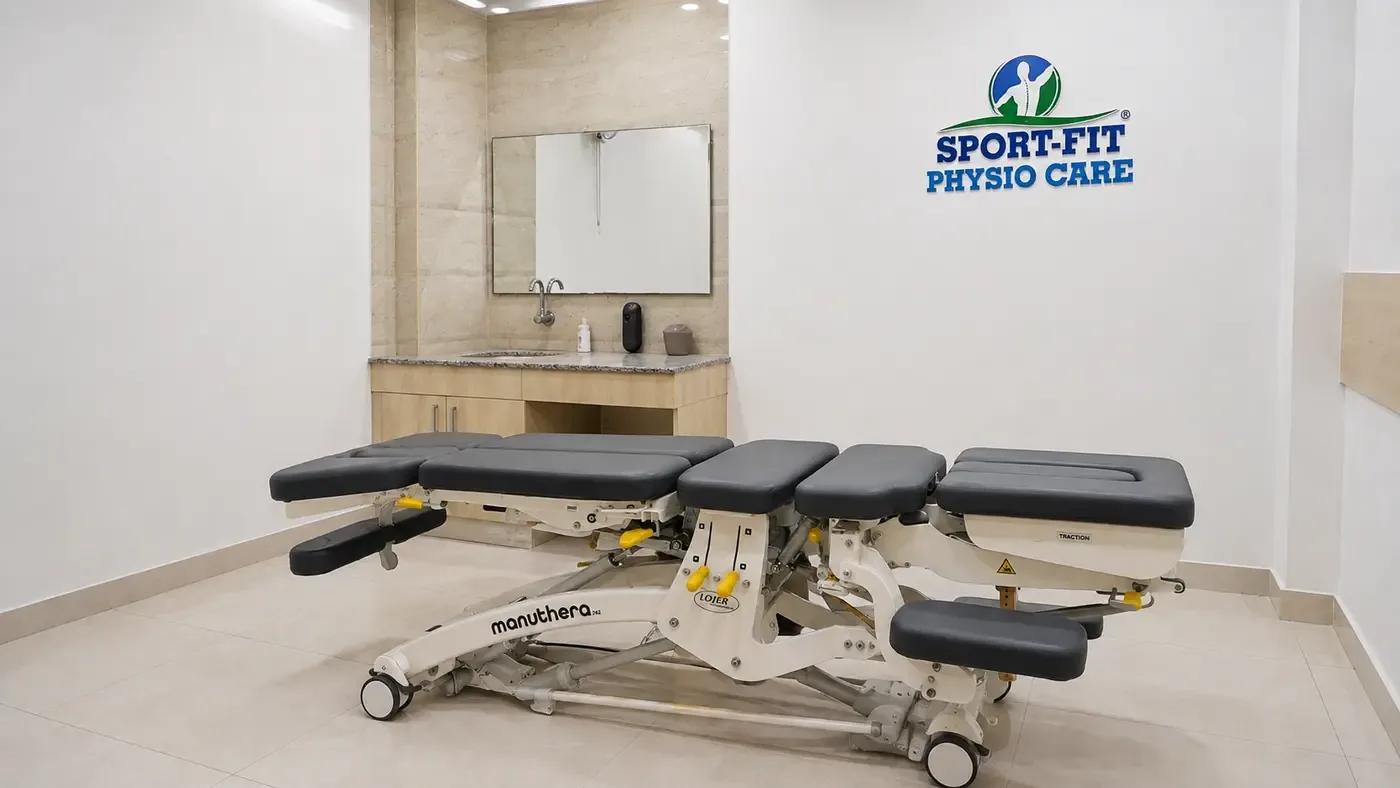
These are real SPORT-FIT PHYSIO CARE spaces, so you can see the clinic environment before you arrive.
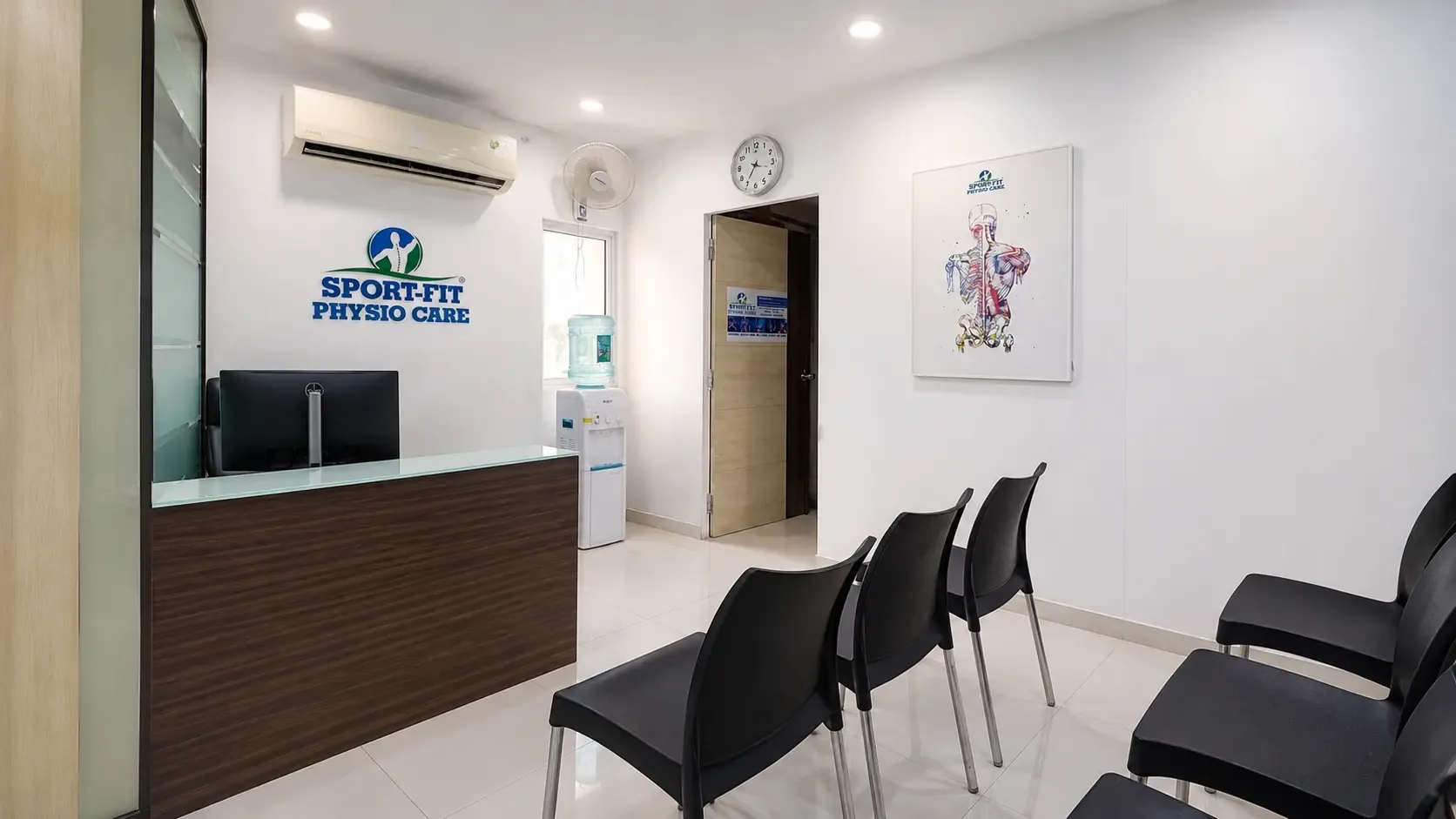
A clear first step before assessment and treatment.
For focused assessment and appropriate hands-on care.
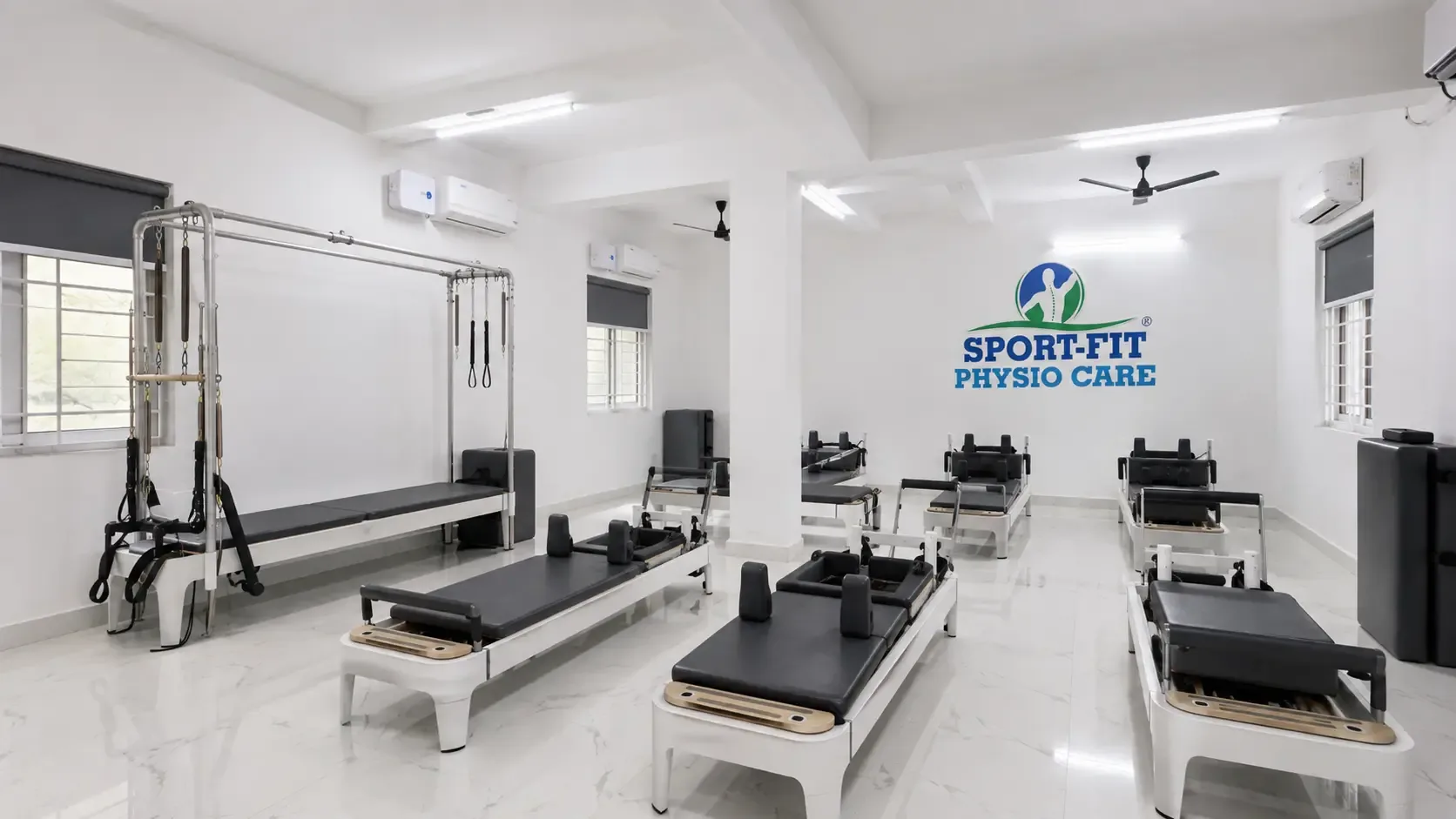
For progressive strength, movement and return-to-function work.
Questions patients ask before booking
These questions address common worries around scans, safety, activity, treatment and rehabilitation. They are educational and do not replace an individual clinical assessment.
No. Many tears can be managed non-surgically, while some require surgical consultation based on tear features, symptoms, weakness and activity demands.
Night pain is common with rotator cuff disorders. Positioning and load during the day may also influence symptoms.
Often training needs modification rather than complete stopping. The safe load depends on pain, strength, tear status and whether surgery has occurred.
Rotator cuff problems often show pain and weakness with specific movements, while frozen shoulder typically has a more global loss of both active and passive motion.
The page’s assessment can help collect symptoms, but your rehabilitation must follow the surgeon’s protocol and tissue-healing restrictions.
Restore useful range, cuff/scapular strength and the capacity needed for work, gym or sport without overloading the healing tissue.
Night pain is common in several shoulder conditions and can affect sleep significantly. It is useful to report which position aggravates symptoms and whether pain is changing over time so the assessment can be better targeted.
Return is based on pain response, range, strength, endurance and sport-specific loading rather than one fixed date.
SPORT-FIT PHYSIO CARE · NUNGAMBAKKAM
If you are still unsure, complete the targeted Pain & Movement Check first. If you are ready to be assessed, book the ₹2,000 first visit by WhatsApp or phone.
Start the condition-specific check and receive a personalised summary after submitting your details.
Start 3D Pain CheckBring the reports. We will connect them to your current symptoms, movement and functional goals.
Your first visit includes focused assessment, consultation and selected treatment when appropriate.
Online • Usually replies instantly